Biography
The life and journey of Nantram Negi
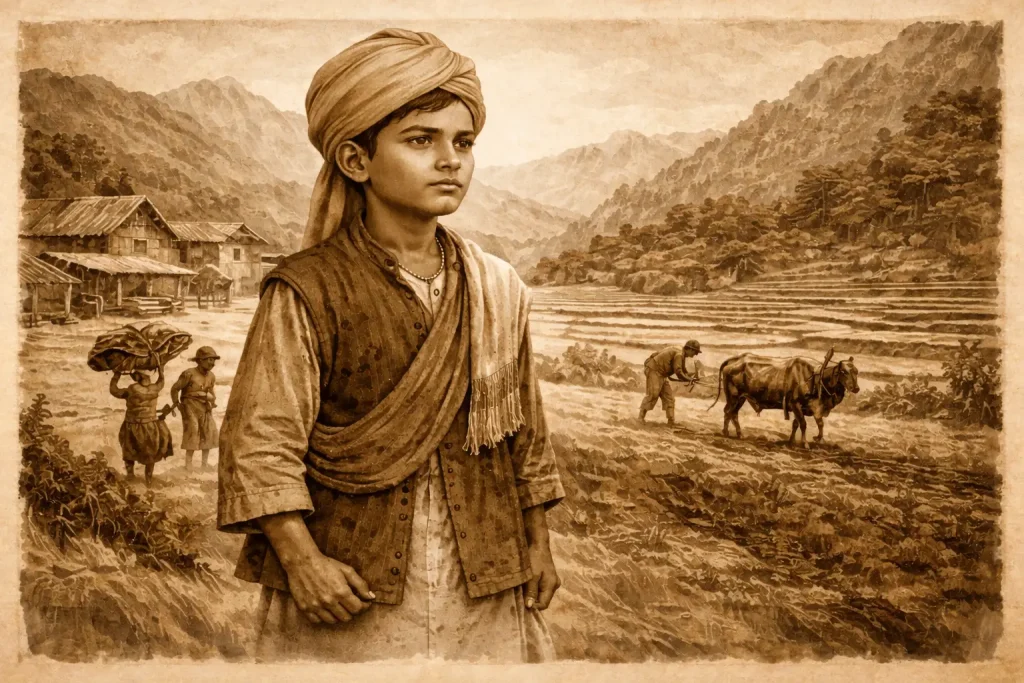
Nantram Negi was born in the rugged yet beautiful hill region of present-day Uttarakhand — a land of towering Himalayan peaks, dense forests, and resilient communities. Growing up in a remote village, he witnessed firsthand the hardships faced by rural families — poverty, social inequality, and the indifference of colonial administration.
The hill communities of that era lived under the dual burden of British colonial exploitation and entrenched social hierarchies. Forests were confiscated, traditional rights were curtailed, and the common people had little voice in governance. These formative experiences shaped young Nantram’s deep empathy for the oppressed and ignited his lifelong commitment to justice.
Despite limited access to formal education, he developed a keen intellect and an unshakeable moral compass, drawing wisdom from community elders, folk traditions, and the values of simplicity and service that defined Pahari culture.
Early Life
Education & Values
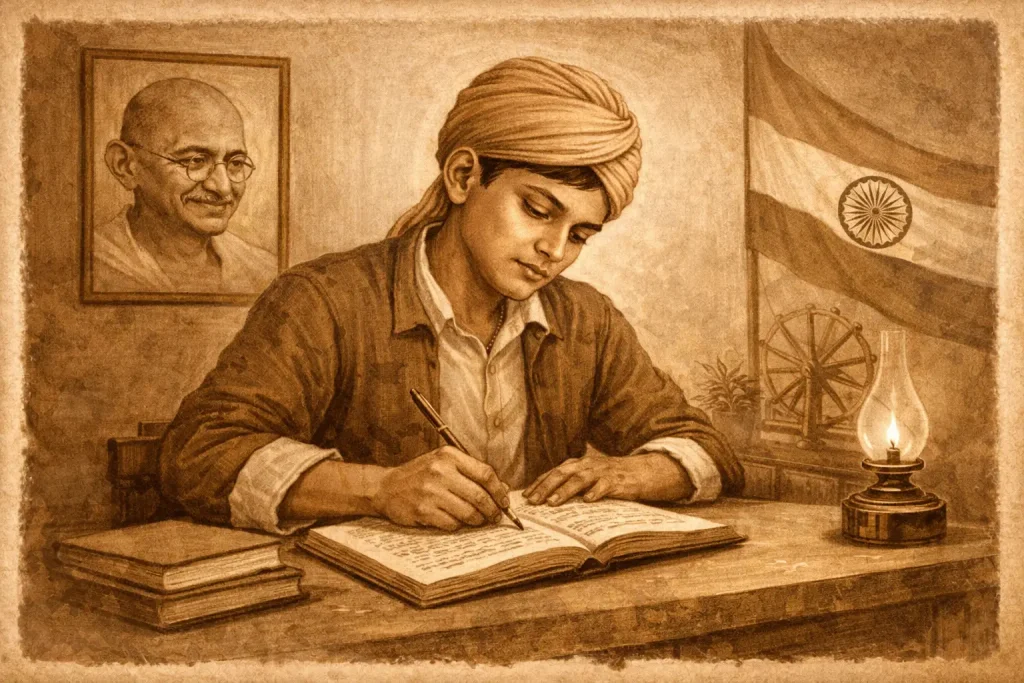
Nantram Negi’s education extended far beyond the classroom. While he pursued whatever formal learning was available in his region, his true education came from the rich oral traditions of the Pahari people, the teachings of India’s freedom movement, and the Gandhian philosophy of truth and non-violence.
He developed strong patriotic values and a profound sense of responsibility toward society. Influenced by the ideals of Swaraj (self-rule), he came to believe that true independence meant not only freedom from colonial rule but also freedom from social injustice, ignorance, and poverty.
His values of integrity, selfless service, and courage would become the cornerstones of his public life and the foundation upon which he built his legacy as a leader.
“Education is not merely the learning of facts, but the training of the mind to think, to serve, and to stand for what is right.”
Emergence as a Leader
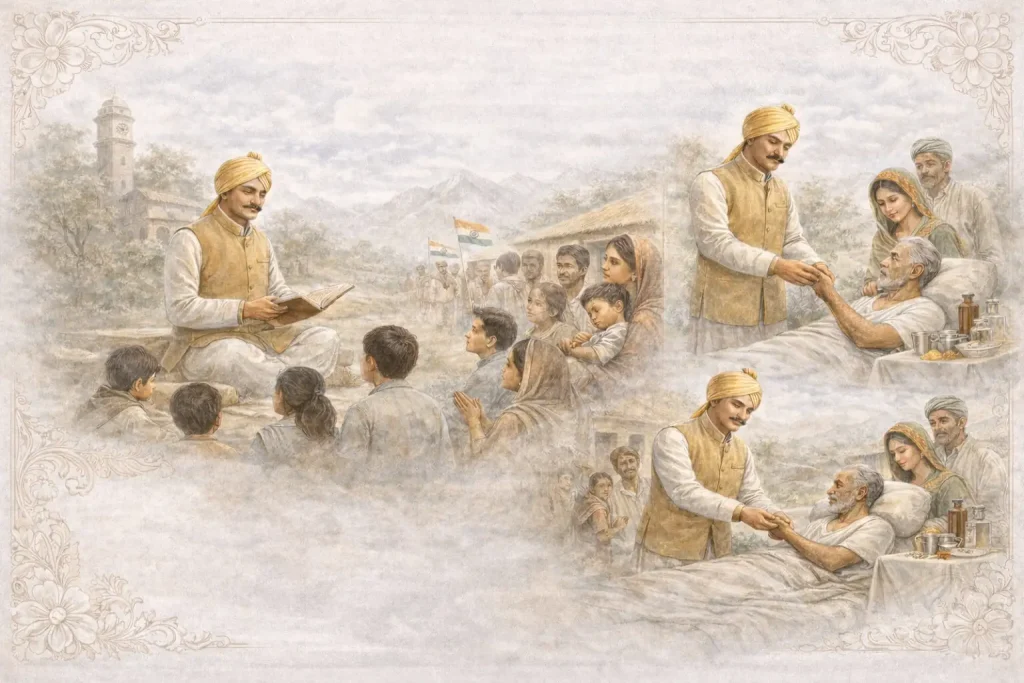
As India’s freedom movement gained momentum across the subcontinent, Nantram Negi emerged as a trusted and respected leader in his community. His natural ability to connect with people, articulate their grievances, and mobilize collective action set him apart.
He became a bridge between the national movement and the remote hill communities, spreading political awareness and organizing resistance against unjust colonial policies. His leadership style was rooted in humility and service — he led by example, never seeking personal gain or recognition.
Whether organizing protests against forest laws that dispossessed local communities, or rallying support for the broader independence movement, Nantram Negi proved that leadership is not about titles but about the courage to stand up for one’s people.