
Role in the Freedom Movement
A steadfast patriot in India’s struggle for independence
Participation in the Freedom Struggle
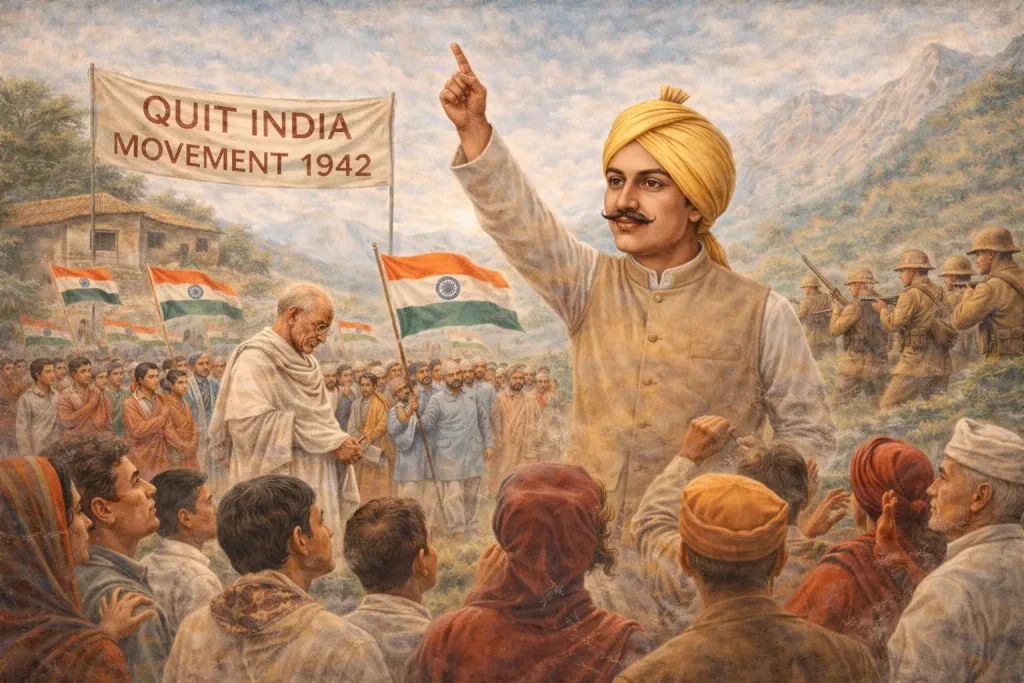
Nantram Negi actively participated in India’s freedom struggle during one of its most defining periods. He was part of the historic Quit India Movement of 1942, when Mahatma Gandhi’s call of “Do or Die” galvanized millions across the nation.
In the remote hill regions, where British authorities often assumed the movement would not reach, Negi proved them wrong. He organized gatherings, spread the message of Swaraj, and encouraged his fellow villagers to resist colonial oppression through non-violent civil disobedience.
His efforts were particularly significant because they demonstrated that the freedom movement was not limited to cities — it was a people’s movement that resonated in every corner of India, from the plains to the highest hills.
The core goals that drove the struggle
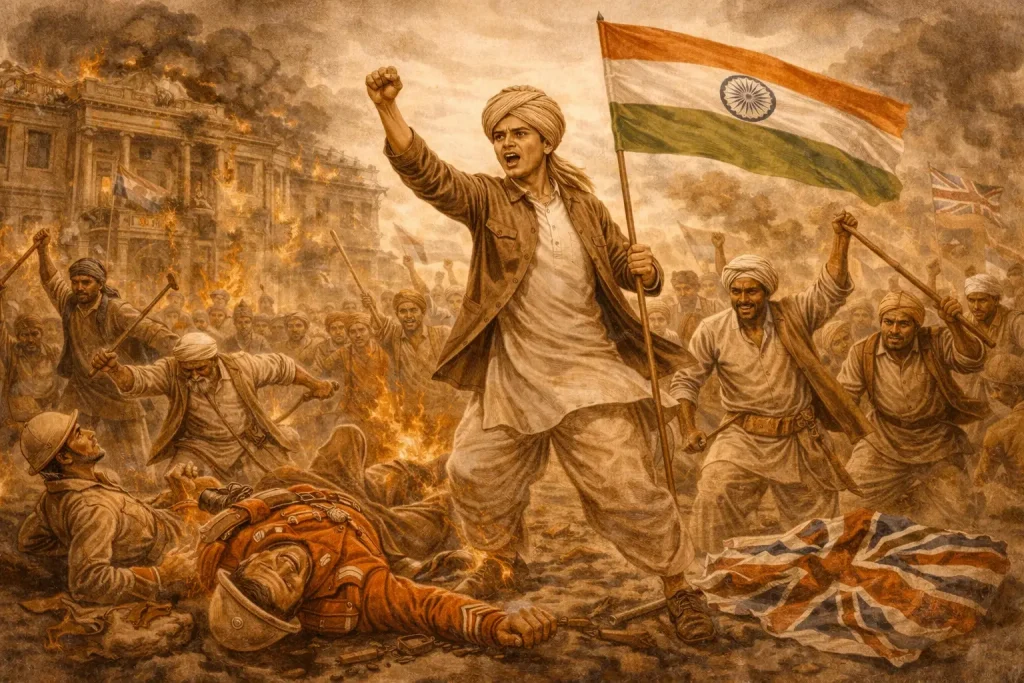
End British Colonial Rule
Nantram Negi stands as a historical legend whose life was devoted to resisting British colonial domination and awakening the spirit of Swaraj among the people. At a time when fear and submission were imposed through foreign rule, Nantram Negi chose courage, self-respect, and sacrifice. He believed that true independence was not only the removal of British authority but also the restoration of dignity, cultural identity, and self-governance of the native people. Through relentless struggle, local mobilization, and fearless opposition to colonial policies, he inspired ordinary citizens to stand against injustice and exploitation.
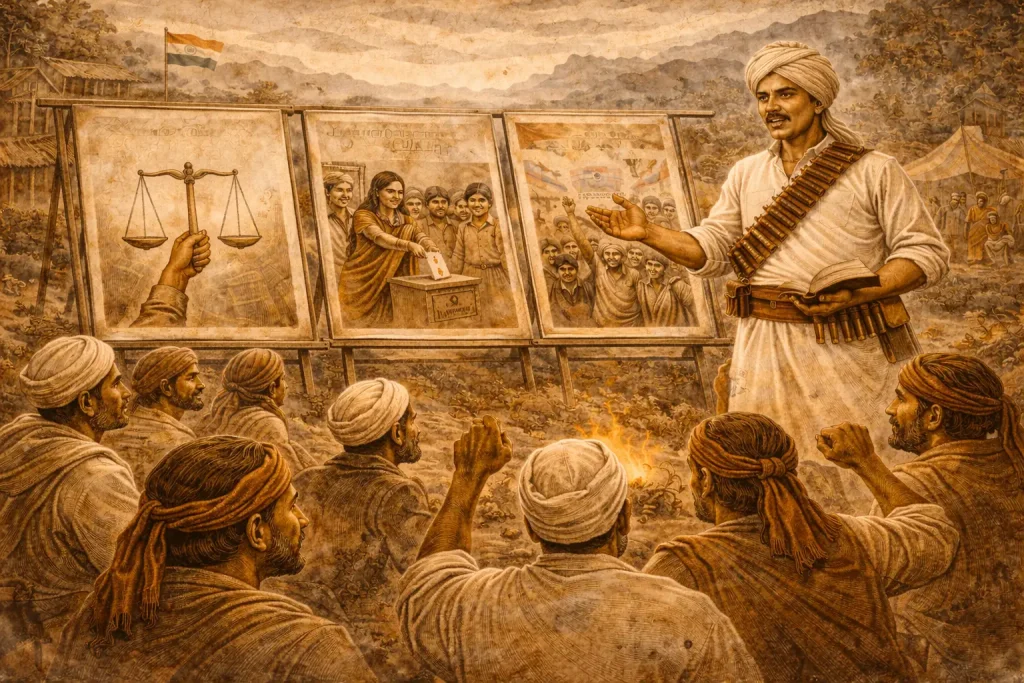
Spread Political Awareness
Nantram Negi played a crucial role in spreading political awareness among rural and marginalized communities during the colonial period. He understood that freedom could not be achieved unless people were aware of their rights, responsibilities, and the true nature of British exploitation. By organizing gatherings, holding discussions, and using simple language rooted in local culture, he educated villagers about the national freedom movement and the importance of collective resistance. His efforts helped transform silent suffering into conscious participation, encouraging people to question colonial authority and support the cause of independence.
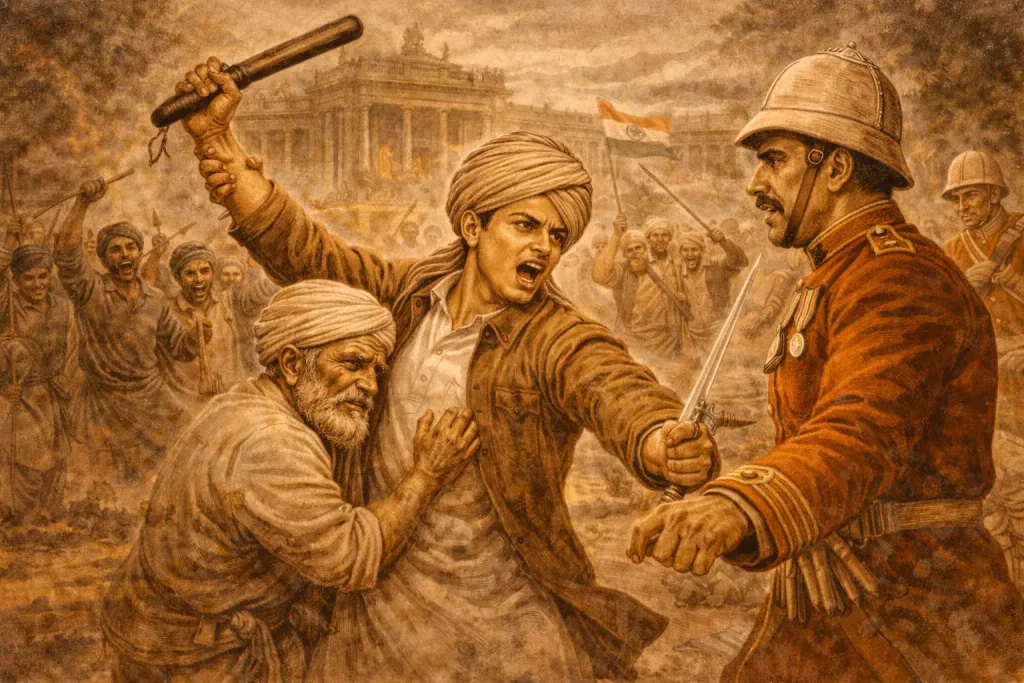
Protect People's Rights
Nantram Negi stood firmly in defense of people’s rights at a time when colonial laws were designed to exploit and silence local communities. He strongly opposed unjust forest laws, excessive taxation, and policies that stripped hill communities of their land, livelihood, and traditional rights. By confronting colonial authorities and supporting affected villagers, he became a voice for those who were denied justice under British rule. His resistance was not only political but deeply social, rooted in the belief that freedom was meaningless without the protection of basic human rights.
Strengthen Unity
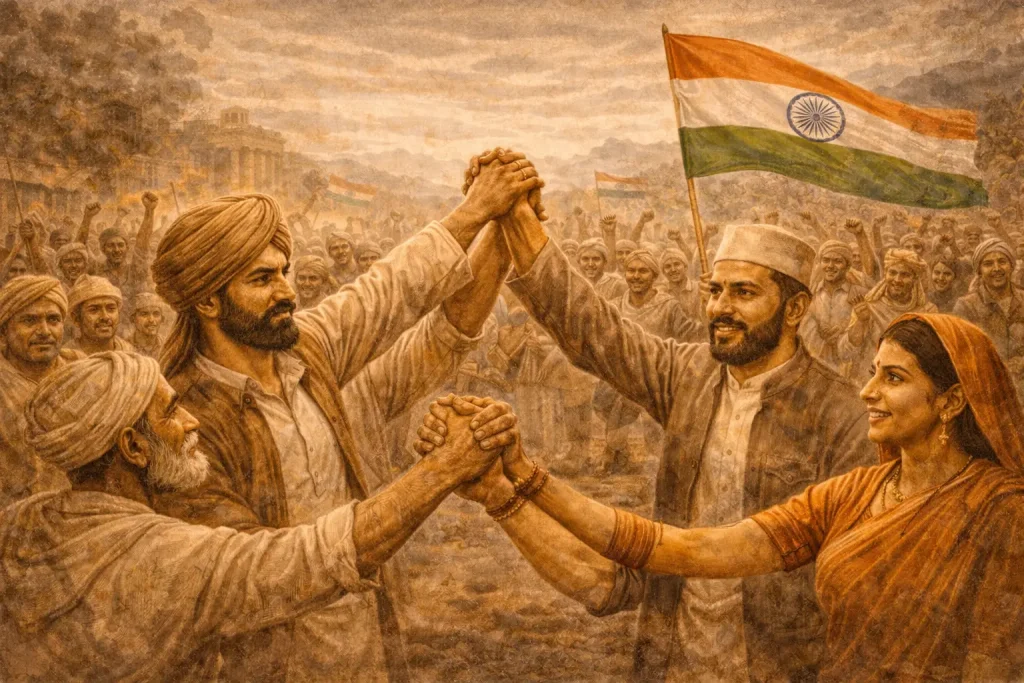
Nantram Negi believed that the struggle against British rule could succeed only through unity among the people. At a time when colonial policies encouraged division based on caste, community, and region, he worked tirelessly to bring people together under a shared goal of freedom. He promoted cooperation and mutual respect, urging individuals to look beyond social differences and stand as one against oppression. By fostering solidarity among hill communities and neighboring regions, he helped build a united front that strengthened the resistance movement.
Movement Objectives
"Freedom is never given voluntarily by the oppressor; it must be demanded by the oppressed — with courage, unity, and an unwavering spirit."
— The spirit of India's freedom movement
Impact & Legacy of His Participation
Nantram Negi’s participation in the freedom movement had a transformative impact on the hill communities. He inspired ordinary villagers — farmers, artisans, and laborers — to see themselves as part of a larger national cause, breaking the isolation that geography had imposed.
His work ensured that the voices of Uttarakhand’s people were heard in the national narrative of independence. The seeds of political consciousness he planted would later contribute to the movement for a separate Uttarakhand state, rooted in the same principles of self-determination and justice.
Today, his contribution serves as a powerful reminder that India’s freedom was won not by a few leaders alone, but by countless unsung heroes in every village and town who dared to dream of a free nation.